

Learning how to avoid closing costs in Arizona starts long before you reach the title company. Somewhere between signing the purchase contract and getting the keys, a lot of Arizona homebuyers hit a wall on closing costs. Price was right, the mortgage was approved, and then the closing disclosure lands in their inbox, and they’re suddenly staring at an extra $10,000 to $20,000 they weren’t fully expecting. A gap between what people budget for and what they actually owe at the closing table is one of the most common financial surprises in real estate, and it’s entirely preventable with the right preparation.
Can You Really Cut What You Owe at Closing?
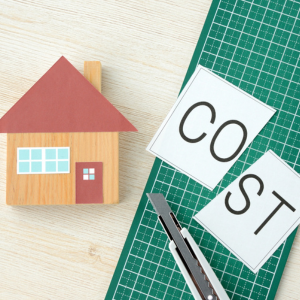
Short answer: yes, though “avoid” is a strong word. You can reduce these costs, shift them, or restructure how they’re paid. Homebuyers who do it best aren’t necessarily the ones with the most money. They’re the ones who go in knowing which costs are fixed, which are negotiable, and which can disappear based on how the deal is structured.
Two buyers can purchase the same price-range home in the same Gilbert subdivision and walk away with completely different closing bills. Loan type, lender choice, seller negotiations, and timing all play a role. So does whether you bring in a cash buyer or carry a mortgage loan. Sellers on the other side of those deals often weigh a traditional listing against cash home buyers in Gilbert before they commit.
The Holloway family found this out firsthand earlier this spring. They were relocating out of their Chandler home due to a job transfer and had five weeks to be fully out. Their garage alone had two decades of accumulated sports equipment and seasonal boxes they hadn’t touched since the move from California. Rather than juggling a traditional listing, open houses, and a lengthy escrow process on top of a cross-country move, they worked with us to close quickly with no lender fees, no home appraisal requirement, and no agent commissions eating into their proceeds. It was the right call for their timeline, and I’ve seen that certainty matter more than the top dollar figure when a hard deadline is involved.
What Is Closing and When Does It Happen in Arizona?
Picture sitting across the kitchen table from a seller who asks: “So what goes on at closing?” My honest answer is that it’s the finish line of a real estate transaction. All the paperwork gets signed, the escrow account gets settled, and the title officially transfers from the seller to the buyer. In Arizona, that process is typically handled by a title company or an escrow agent rather than an attorney, which is a bit different from how other states run it (attorneys run the whole show elsewhere).
In Arizona, a neutral escrow agent manages the entire transaction rather than buyers and sellers sitting across a table from each other. The escrow agent handles the exchange of funds and documents, making sure every condition in the purchase contract is met before money moves. The escrow process begins the moment a purchase agreement is accepted and runs until all contingencies are cleared and the deed records at the county.
Timing depends on the loan type and how quickly all parties move. Cash sales can close in as little as a week. Financed purchases with a mortgage loan typically take 30 to 45 days. Lender delays, title search issues, or a slow home inspector can push that further. From Scottsdale to Yuma, the escrow process looks roughly the same; it’s the pace that varies based on how complex the transaction is, and a refinance mid-escrow can add weeks you didn’t plan for.
What Do Arizona Closing Costs Include?
Getting this wrong costs real money. Underestimating the total cash-to-close can leave buyers short at the title company, delaying or even killing the transaction at the last moment. Arizona’s closing costs cover a wider range of line items than most buyers account for when they first start doing the math.
On the buyer side, the lender is the biggest source of fees. Mortgage loan origination charges, underwriting fees, and processing fees are all part of what your lender bills for putting together the mortgage. Then there’s the home appraisal, which your lender orders to confirm the home’s value supports the loan amount; in Arizona, that runs around $650. Title insurance comes in two forms: lender’s title insurance, which the lender requires to protect the mortgage, and an owner’s title policy, which protects the buyer’s ownership interest.
The title search itself is a separate charge, usually a few hundred dollars, covering the research that confirms the property has a clean chain of ownership with no outstanding liens. Property taxes get prorated at closing, so if you’re buying mid-year in a Tempe neighborhood, you’ll owe your share from the date of purchase through year-end. Home insurance premiums are often collected upfront at closing so that the lender can fund the homeowners’ insurance escrow account. Buyers using an FHA or VA loan face additional lender-specific requirements that can add to the bill.
Recording fees, courier charges, and HOA transfer fees round out the picture. Arizona charges no real estate transfer tax, which puts the Grand Canyon State ahead of many others on that one line item.
How Much Are Closing Costs in Arizona?
A buyer sees a 3% down payment advertised and mentally files the rest of the transaction as handled. Then the loan estimate arrives, and there are pages of fees attached to the mortgage loan, which means the actual cash needed at closing is substantially higher than anything in the original advertisement.
Closing costs in Arizona typically range from 2% to 5% of the purchase price for buyers. On a $400,000 home, that’s $8,000 to $20,000 out of pocket before you even touch your down payment. As of April 2026, the median home sale price in Arizona sat at roughly $438,553, so the math gets real fast for anyone buying near that figure (and most are buying right around there).
Sellers carry a heavier load at the closing table. Seller closing costs in Arizona run anywhere from 6% to 10% of the sale price, with agent commissions making up the largest portion of that total. A February 2026 survey of local real estate agents put the average commission in Arizona at 5.82%, a little above the 5.70% national average and still a major expense on a mid-priced home.
Geography shifts the numbers, too. Homes in Phoenix were selling around $459,770 as of July 2026, while Mesa sat closer to $449,775, each producing slightly different closing cost estimates depending on the purchase price. Scottsdale, where luxury properties push into the mid-to-high six figures, can see closing costs on the buyer side run well past $25,000.
One figure that often catches sellers off guard: in Arizona, closing costs excluding realtor fees run around 3.03% of the sale price, which works out to about $13,300 on a home at the Arizona median price. Add commissions back in, and sellers feel it far more than buyers do.
How Are Closing Costs Different for Buyers Vs. Sellers in Arizona?

Buyers pay more in lender fees; sellers pay more overall. That’s the clearest summary I can give, and most articles on this topic bury it.
A buyer’s closing costs are dominated by the mortgage loan. Origination fees, lender’s title insurance, home appraisal costs, credit report fees, and prepaid interest all flow from having a lender involved. A seller, on the other hand, has no mortgage to originate on the sale side. Their bill is driven by agent commissions, the owner’s title policy, the escrow fee, recording fees, and any seller concessions negotiated during the contract process.
The practical difference shows up in how each side feels the cost. Cash gets paid upfront at closing, with buyers writing a check or wiring funds before they even get the keys. Sellers, by contrast, have their closing costs deducted directly from their sale proceeds, so they never physically write a check; the money just doesn’t show up in their wire. The distinction matters psychologically, but the financial hit is real either way.
Cash buyers operate under a different set of rules. Without a lender involved, sellers avoid many of the expenses tied to traditional financing, including loan origination fees, lender-required title insurance, appraisal costs, and underwriting charges. In Arizona, cash buyers typically pay around 1% of the purchase price in closing costs, while financed transactions often come with significantly higher expenses. This cost advantage is one reason cash offers are highly attractive to homeowners looking to sell their house fast in Arizona, even when a financed buyer submits a slightly higher offer. The certainty, speed, and lower transaction costs of a cash sale can make it a more compelling choice in Arizona’s competitive real estate market.
Who Pays Closing Costs in Arizona?
Arizona follows custom rather than statute on most closing cost allocations. The contract, not the law, determines who pays what on most line items, which gives both parties room to negotiate.
The escrow fee, for example, is commonly split 50/50 between buyer and seller, but that split isn’t required. In most Arizona counties, including Maricopa and Pima, sellers pay for the owner’s title policy, but in some northern counties, the custom flips to the buyer covering it. Title companies in different counties have different standard practices, so a deal closing in Flagstaff may look different from one closing in Chandler.
Real estate commissions have also shifted since the 2024 NAR settlement changes. Buyers’ agents must now negotiate their compensation directly with the buyer rather than having the seller automatically cover it through the listing. In practice, many sellers still offer some contribution toward buyer-agent compensation to keep deals moving, but it’s no longer automatic. That means buyers entering the market now need to account for their agent’s fee separately, or structure the transaction differently (something worth clarifying before you make an offer).
Seller concessions remain a powerful negotiating tool, especially in today’s Arizona market, where homes are averaging 66 days on the market before going under contract. With buyers taking longer to commit, homeowners are often more willing to offer closing cost credits to help get deals across the finish line. Sellers who would rather skip the wait call the we buy houses in Phoenix team instead. For example, a $5,000 seller concession can significantly reduce a buyer’s cash-to-close requirements without affecting the agreed-upon purchase price, creating a win-win for both parties.
Can You Avoid or Reduce Closing Costs in Arizona?
Knowing who pays what opens the door to actually changing it. A few strategies work consistently well, and a few others are popular but overrated.
Seller concessions are the most reliable way for buyers to shrink their out-of-pocket costs. You ask the seller to contribute a fixed dollar amount toward your closing costs as part of the offer. The seller effectively pays those costs through the sale proceeds instead of the buyer paying them at the table. This works best when inventory is higher, and sellers are motivated, which describes a good portion of Arizona’s current market conditions (especially in the outer suburbs right now).
Most buyers shop with fewer lenders than they should. Different lenders charge different origination fees, processing fees, and points on the mortgage loan. Getting three loan estimates and comparing them line by line can produce savings of several thousand dollars. A lender’s title insurance premium also varies by provider; some lenders allow you to shop for your own title company, and in Arizona, that flexibility is worth using (especially when escrow fees differ significantly).
No-closing-cost mortgage options exist but carry a trade-off. The lender rolls the fees into a higher interest rate, so you’re not eliminating those costs; you’re spreading them over the life of the loan, on a 30-year mortgage, that can cost more in the long run than just paying up front. It’s the right call for buyers who are cash-constrained at closing and plan to refinance within a few years.
Selling to a direct cash buyer is the cleanest path for sellers who want to avoid commissions, escrow fees, and repair credits altogether. If you’re working with a company like A2B Invest, there are no agent commissions, the buyer typically covers their own closing costs, and the process bypasses the traditional escrow timeline. What you trade is a potentially lower sale price; what you gain is certainty, speed, and a dramatically simplified transaction (closing in days, not months). Homeowners comparing cash home buyers in Chandler against a listing are weighing that same trade.
How to Prepare Your Finances for Arizona Closing Costs

One homeowner I worked with had saved carefully for a down payment but hadn’t set aside anything for closing costs. She was 10 days from her target close date before she realized the gap. A quick restructure of the offer to include seller concessions saved the deal, but it added two weeks of renegotiation she hadn’t planned for.
Preparing well before you reach the title company starts with getting a loan estimate from your lender early in the process. That document breaks down every projected cost, including prepaid property taxes, homeowners’ insurance premiums, and escrow account setup. Review it line by line and ask questions about anything labeled “services you can shop for,” because those are the fees where comparison pricing actually pays off, and I’ve trimmed my own closing costs noticeably just by shopping title and settlement services.
Budget above the estimate. Closing costs shift between the loan estimate and the final closing disclosure, sometimes upward. Holding a small reserve beyond your projected costs is a habit that keeps deals from falling apart at the finish line.
Keep your finances stable from contract to close. Lenders run a final credit check before funding the mortgage loan. A new car payment, a credit card opened for moving expenses, or a job change can alter your loan terms or bring the process to a halt. The weeks between contract acceptance and closing aren’t the time to change anything about your financial profile.
Renee Patel inherited a Gilbert home filled with more than three decades of her late mother’s belongings, including a garage packed with mid-century furniture and a second refrigerator that hadn’t been plugged in since 2009. With three siblings living in different states, the family wanted a straightforward solution: no repairs, no open houses, and no lengthy listing process. During a Tuesday walkthrough, we evaluated the property in its current condition and presented a fair cash offer, allowing all four heirs to divide the proceeds smoothly without the hassle of coordinating contractors, cleaning crews, or staging appointments. Situations like these are common for our team, and we know how valuable a fast, stress-free sale can be when families are balancing both grief and the practical challenges that come with settling an estate. If you’re facing a similar situation, A2B Invest buys houses for cash, so call us today to discuss your options and receive a no-obligation offer.
Frequently Asked Questions
Is There a Way to Avoid Paying Closing Costs Entirely?
You can’t eliminate every cost, but you can shift who pays them and how. Buyers can request seller concessions to cover their portion, choose a no-closing-cost loan that rolls fees into the rate, or purchase with cash and skip all lender-related charges. Sellers who work with a direct buyer like A2B Invest often avoid commissions and many traditional fees altogether.
Who Typically Pays Closing Costs in Arizona?
Both sides pay, but the split is uneven. Buyers handle most of the lender-related fees tied to the mortgage loan, while sellers pay the larger overall share through agent commissions, the owner’s title policy, and the escrow fee. Many of these allocations are negotiable in the purchase contract rather than fixed by law.
What Are the Typical Closing Costs on a $300,000 House in Arizona?
At that price point, a buyer using a mortgage loan can expect to bring roughly $6,000 to $15,000 to the closing table, covering origination fees, the appraisal, title insurance, prepaid property taxes, and homeowners’ insurance. A seller at $300,000 could give up $18,000 to $30,000 in commissions and closing costs, though seller concessions, discount brokers, or a direct sale can reduce that number.
What Are Typical Closing Costs on a $400,000 House in Arizona?
Buyers purchasing at $400,000 with a conventional loan should plan for $8,000 to $20,000 in total closing costs, depending on lender fees, property tax proration timing, and whether any seller concessions are negotiated. Sellers at that price face a larger total bill, primarily driven by agent commissions, but strategies like using a flat-fee listing service or selling directly to a cash buyer can cut that exposure by several thousand dollars.
If you want to talk through your options before your next move, reach out to the team at A2B Invest for a straightforward conversation about what your transaction could actually look like.
Resources To Help You Sell A House In Arizona