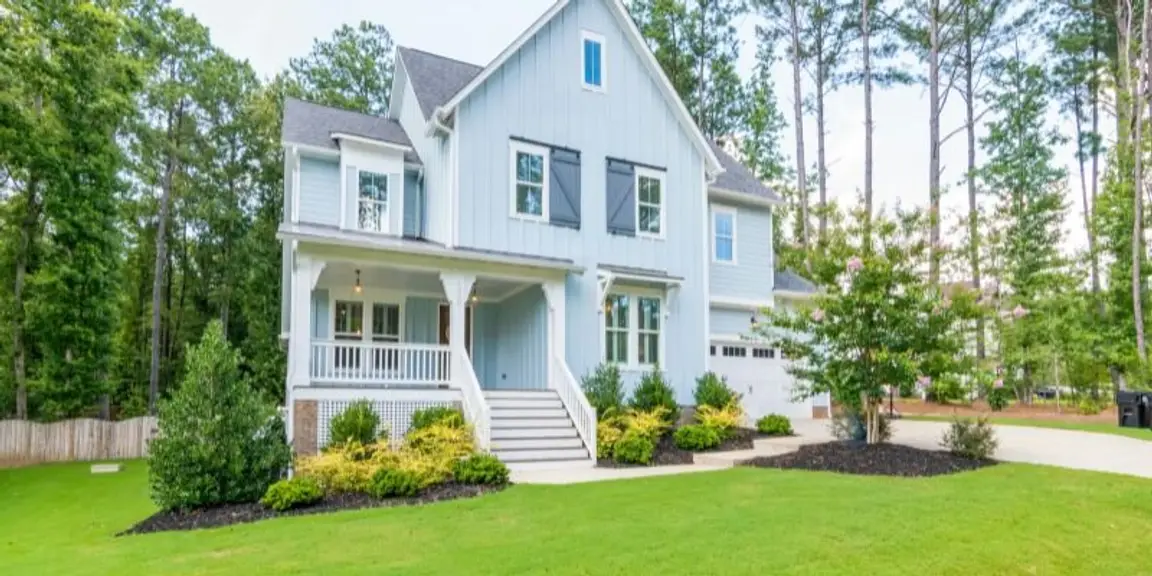


You’re staring at probate paperwork after the loss of a loved one. The house is uninhabited. Bills keep arriving. And the question everyone is asking is, “Can you really live there while everything gets straightened out?”
I have been buying houses in Arizona for over 10 years, and I will be honest with you, this problem comes up more than you would imagine. “Families are caught between grief and the practicalities of what to do with a property they have inherited. Can they live in it? The legal process seems to go on forever.
The quick answer? Can I stay in an inherited house during probate in Arizona? Yes, you can usually live in an inherited house during probate in Arizona. But there’s so much more to unpack here.
Arizona Probate Process: Complete Guide to Living in Inherited Property During Estate Administration

First up, the essentials. Probate is a judicial case in the county where the person who died lived. It permits the court to supervise the distribution of assets to make sure that the wishes of the deceased are fulfilled and that the laws of the state are respected.
Here’s the thing no one tells you up front: the minimum duration is roughly five months. That’s not the average; that’s the absolute minimum, because Arizona law requires that the probate process be open for at least four months to allow creditors to bring claims against the estate, which sets the minimum time period for any probate case.
Most of the cases? Most cases take 6 months to 2 years from inception to end. That’s a long time for a house to be unoccupied, especially if someone might be living in it and taking care of it.
The truth in this case is different from many other states’ truths. Adoption is easier in UPCessn-UPC states. There are several paths, depending on the intricacy of the inheritance. The usual route is informal probate, which goes on without hearings or any direct judicial involvement.
This has to do with your dwelling condition. Informal probate is faster and has less court supervision, which often means fewer limits on who can live in the property.
Understanding Arizona Probate Laws for Real Estate Inheritance and Occupancy Rights
Real Estate to Inherit in Arizona: Arizona has special restrictions for real estate that is inherited. Arizona is one of nine community property states, which means that most property obtained during marriage is owned equally by both spouses. When one spouse dies, only that spouse’s portion of the community property and any separate property will go through probate. The surviving spouse’s portion is theirs already and does not go through probate.
That is an interesting situation. If you are the surviving spouse, you already own half the house free and clear. You don’t need anyone’s permission to live there while probate is ongoing.
But what if you are a grown-up child? Or a brother? The waters became muddier.
If you are the sole owner on the deed, the house will pass by intestate succession. If you are a co-owner of the house, it will be passed according to the kind of ownership.
It’s where the rubber hits the road: Most executors would not throw family members out of the house during probate, especially if they are beneficiaries. It’s usually better to have someone there, paying utilities and taking care of the property.
We have seen situations where the adult children moved into their parents’ house in Mesa during the probate and remained there for almost a year while everything was being sorted out. The executor (typically another sibling) was pleased to have someone to manage the property and take care of the day-to-day chores.
Who Controls Inherited Property During Active Probate Proceedings in Arizona
The personal representative (executor) has control of the property during the probate process. After the court names the personal representative, the personal representative has the following duties: Notify the heirs and devisees. The nearest living relatives are the heirs. The devisees are the persons specified in the Will. Publish a notice in the newspaper for any creditors. Send notices by mail to creditors. Take inventory of the estate (e.g., bank accounts, retirement accounts, stocks and bonds, real estate, and personal belongings). Make sure all assets are secure
And that last part, secure all assets, means the house. But safeguarding doesn’t imply leaving it vacant. In fact, a vacant house in Arizona’s climate can get into some major trouble. In Phoenix, your air conditioning cost can easily top $400 a month in the summer. Pool maintenance, landscaping, security – it all adds up.
Smart executors want to have a responsible family member living in the house. Provides natural security, keeps utilities on, and maintains the property value.
The executor has many powers but also has obligations. They have a duty to take inventory of, administer, and secure the estate’s assets until they may be properly dispersed.
Defense is often an occupation. A vacant property in Scottsdale or Chandler is a target for break-ins, copper theft, and vandalism. I have seen estates lose thousands in property damage because homes remain empty through probate.
Legal Requirements for Residing in the Deceased Owner’s Home During Estate Settlement
Tany, there are no explicit Arizona statutes prohibiting beneficiaries from inheriting through probate. The restrictions are frequently imposed by the executor or by squabbles within the family, not by state legislation.
But there are practical requirements too:
The insurance must go on. We need to change the homeowner’s insurance coverage to reflect the estate as the owner. Most insurance firms need notification within 30-60 days of the owner’s death.
Utilities: Electricity, gas, water, and other utilities are required to be maintained. Usually, it is the estate that pays, although arrangements can be made for the Occupant to pay directly.
Taxation. Property tax. Before the estate of the deceased is constituted by law, the creditors of the deceased have a legal claim to property. Property taxes are a debt that must be paid first.
Mortgage payments, if any. If there is a mortgage on the property, payments must be made; otherwise, the lender can foreclose even during the probate.
What I tell families: get it in writing. If the executor is willing to let you stay in the house, get it in writing. Who pays what, how long, and what happens if things change?
Executor Authority Over Inherited Property: Rights and Responsibilities in Arizona
The executor’s power is wide, but not boundless.
Decide who gets to occupy the property (if anyone). Set up terms of occupation (rental, utilities, and maintenance duties). Sell property to settle debts of the estate, if necessary. Maintain, restore, or upgrade the property.
But they can’t: Make decisions that arbitrarily hurt recipients. Use estate property for your own benefit. (If one wants to) Ignore the Wills of the ones who Will Fail to act in accordance with their fiduciary duty;
If the court judges the Will legal, the personal representative can pay debts, bills, and relevant taxes and distribute assets. If the court finds the Will invalid, it will apply the intestacy laws of the state. If the court finds the Will valid, it will permit the personal representative to administer it (rather than the invalid Will).
I’ve seen households where the executor charged rent to siblings who lived in the inherited house. This technique is not even necessarily wrong; it can even be good for the estate by creating income. But it has to be fair market rent, and the sale should be good for all beneficiaries proportionally.
In one Tempe case, an executor let her brother dwell at their mother’s house for $800/month when market rent would have been $1,800. The other siblings objected, and the court eventually ruled that the brother must pay back the difference in the inheritance.
Beneficiary Housing Rights During Probate: Arizona State Law Overview
Beneficiaries do not have an automatic right to occupy inherited property during probate.
The personal representative has 30 days from the opening of probate. Beneficiaries can inquire about the progress of the estate and the status of the property.
Objection: If the beneficiaries feel the executor is mismanaging the property or making bad decisions about who lives there, they can petition the court.
Right to be treated fairly. All beneficiaries should be treated equitably. If one sibling is allowed to live in the home rent-free, then the remaining siblings should be provided with equal benefits or compensation.
Right to an accounting. The heirs have the right to demand from the executor a complete report of the expenses of the estate, including expenses relating to the property.
It is all about communication. Most problems about housing in probate are a result of poor communication rather than legal limits. If you want to reside in the inherited property, communicate with the executor early on. Describe your circumstances and agree to maintain the property and to pay fair expenses.
Arizona Estate Administration Timeline: Heirs Can Occupy Inherited Homes

Time Frame for Occupancy Often Dictated by Type of Probate Proceeding. Generally, informal probate is faster than formal probate and does not require a hearing before a court. Informal probate is often limited to estates that involve minimal controversy and uncomplicated transfers of assets. However, formal probate is generally utilized for large estates or where there are disagreements between heirs. This formal process costs more, takes longer, and is supervised by a judge, as opposed to informal probate.
Most families in Arizona choose informal probate. Informal probate generally moves more quickly, taking roughly 6-8 months to complete. These reduced procedures work well for estates with few conflicts.
With informal probate, the heir can often take possession of the property practically quickly after the executor is appointed, if the executor agrees. There is no court hearing, and the process is entirely through documents filed with the probate registrar.
Formal probate requires more time. Formal probates can take a year or longer and are especially difficult when there are complicated assets or family disputes. Court supervision also imposes extra limits and potentially lengthier delays in occupancy determinations.
Here’s the current market environment that makes the matter relevant: the typical sold single-family house price in 2024 is $495,000, up roughly 4.2% from a year ago. Almost all single-family homes sold in Mesa in 2024 are ordinary sales. The median sale price of a property in Phoenix was $460K last month, down 5.2% from last year. The typical sale price per square foot in Phoenix is $283, up 1.1% from last year.
With median home prices in the Phoenix metro region ranging from $460K-$495K, most inherited homes will require formal probate unless other estate assets bring the overall value under the small estate threshold.
Probate Real Estate Management: Maintaining Property Value During Court Proceedings
Arizona: Empty houses are rapidly losing value. Unoccupied properties don’t do well in the desert climate. Air conditioners that people don’t run all the time fail. Pools that are not maintained are expensive repair tasks. Landscaping won’t survive without regular water.
I’ve seen homes inherited in Ahwatukee lose $20,000+ in value in a year-long probate because no one was taking care of them. In situations where families decide they no longer want the burden of repairs and upkeep, many start speaking with cash home buyers in Ahwatukee to explore quicker solutions. But I have seen properties genuinely appreciate in value because someone moved in and fixed them up while living there.
The executor has a responsibility to protect estate assets. That involves often making sure there is someone responsible in the premises. Here are the pragmatic considerations:
Climate Control: Arizona homes need climate control all year round. Even “vacant” residences should be kept around 75-80°F to minimize damage to flooring, cabinetry, and fixtures.
Pool upkeep: Should the property have a pool, it needs upkeep all year long. Neglected pools might cost $5,000 to $15,000 to bring back.
Landscaping: Desert landscaping still needs watering. Brown lawns and dead plants can break HOA rules and lower home values.
Security Homes that are occupied are far less likely to be burglarized or vandalized.
Pest treatment: Empty houses can attract rodents, flies, and sometimes larger pests. Frequent occupancy of the property prevents infestation.
Many executors have found that permitting a beneficiary to live in the property during the probate process is really good for the estate and helps maintain the property value.
In situations where maintaining the property becomes financially or emotionally overwhelming for the family, understanding how A2B Invest buys homes can help heirs evaluate alternative solutions during probate.
Arizona Intestate Succession Laws: Impact on Property Occupancy Rights
In Arizona, when a person dies without a will—”intestate”—the law of intestate succession dictates who gets what. According to intestate succession statutes, if you have no living offspring, your spouse gets your whole estate. 50% of the estate goes to the spouse if you have living descendants. The balance of the estate is divided between your descendants.
This provision has a major impact on occupancy rights. If the surviving spouse is the sole heir of the estate, they instantly enjoy full rights to the inheritance. No need for probate court permission.
But the more children you have sharing equally, the more complicated it gets. No one owns anything individually until probate is completed. The executor is managing the property for the benefit of all of the heirs.
I’ve worked with families that had three adult children inheriting their father’s house in Gilbert evenly. The youngest daughter was divorcing and needed a place to reside. The oldest son, the executor, let her stay in the house while it was in probate, on the condition that she keep up the house and pay the utilities. It was a win-win-win situation. The estate saved on maintenance, the property was occupied and safe, and the daughter enjoyed housing stability during a rough time.
Arizona Probate Exemptions: Small Estate Procedures for Real Property
Arizona offers shortcuts for smaller estates. The correct small estate thresholds in Arizona are as follows: Personal property (real) is $75,000, and real property is $100,000.
With median home values around $460K-$495K in Phoenix and Mesa, most inherited houses exceed the small estate threshold for real property. This means full probate is usually required.
However, if the inherited property is in a rural area or is a mobile home, it might qualify for small estate procedures. A Small Estate Affidavit can be used for personal property valued at or below $75,000 after a 30-day wait and for real estate valued at or below $100,000 after a six-month wait. This path avoids a full probate case.
Small estate procedures are much faster and simpler. Heirs can often take possession of property within 30 days (for personal property) or 6 months (for real estate) without court supervision.
Formal vs Informal Probate in Arizona: Effects on Property Access and Control
The type of probate proceeding significantly affects how and how quickly heirs can access inherited property.
Informed debate is the most common and least expensive path. It works well if a valid will exists or if heirs agree on what should happen. The process moves faster, with less court involvement.
Property access: Heirs can often occupy the property soon after the executor is appointed, typically within a few weeks of filing.
Formal Probate: Formal probate is required if there is a dispute over the will or the identity of the personal representative. The court holds hearings, and the case can involve depositions and discovery. This track needs legal rulings to keep it in compliance with Arizona law.
Property access: More restricted. Many formal probates take a year or more, especially if court calendars are busy or the issues are contested. The court may need to approve occupancy arrangements.
SupervisTheobate is the most court-driven option. The judge monitors each step and often requires approval before the personal representative sells assets or distributes funds. Creditors, heirs, or any interested party can request a supplement if extra protection is needed.
Property access: Most restricted. Timelines stretch under this level of oversight. A supervised case can last a year or longer, with duration tied to the number of approved stakes and the estate’s complexity. Court approval may be required before anyone can occupy the property.
Property Taxes and Maintenance Obligations During Arizona Estate Administration

Property taxes don’t stop during probate. In Maricopa County, property taxes are due in two installments: October 1st and March 1st. The estate is responsible for these payments, regardless of who’s living on the property.
Here’s what I recommend: if you’re living in the inherited house during probate, offer to pay the property taxes directly. This shows good faith to the executor and other beneficiaries and ensures the payments are made on time.
Maintenance obligations become tricky. For some families, the ongoing costs of taxes, repairs, insurance, and upkeep become too difficult to manage during probate. In those situations, homeowners often look for ways to sell your house fast for cash in Arizona to avoid additional financial strain. Who’s responsible for repairs during probate? Generally, it’s the estate’s responsibility, but the executor has discretion about what repairs to authorize.
The executor should approve major repairs (roof, HVAC, plumbing) and pay for them from the estate. The Occupant can often handle minor maintenance, cleaning, and all repairs.
I always recommend getting a written agreement that spells out maintenance responsibilities. Something like, “Occupant responsible for routine maintenance under $500 incident.” Executor approval required for larger repairs. Occupant to maintain landscaping and pool (if applicable). Estate to pay property taxes, insurance, and major repairs.”
Arizona Probate Mediation: Resolving Family Disputes Over Inherited Property
Family disputes over inherited property are common, especially regarding occupancy during probate. Arizona courts encourage mediation to resolve these disputes outside of formal court proceedings.
Mediation is particularly useful if: Multiple siblings want to live in the inherited house. Some beneficiaries want to sell immediately, while others want to keep the property. There are disagreements about rent or maintenance responsibilities. The executor’s decisions about property management are being challenged.
A probate lawyer offers important services that can help speed up the probate process. A probate lawyer can help with the collection of proceeds from life insurance policies and guide you through the probate process.
Many families find that mediation helps them reach agreements that work for everyone. If your family is struggling to decide what to do with inherited property during probate, you can always reach out to A2B Invest to discuss possible solutions and timelines with no obligation. For example, one family I worked with in Surprise had three adult children inheriting their mother’s house. Two lived out of state and wanted to sell immediately. The third lived locally and wanted to buy out her siblings, but needed time to arrange financing.
Through mediation, they agreed that the local daughter could live in the house during probate, maintain it, and pay market rent to the estate. The rent payments reduced the amount she needed to finance after she eventually bought out her siblings’ shares.
Estate Planning Strategies to Avoid Probate for Arizona Real Estate
The best way to handle inherited property is to avoid probate altogether. Arizona offers several strategies:
Transfer-on-Death Deeds: Arizona allows property owners to use a transfer-on-death deed for real estate. This deed names a beneficiary who will automatically receive the property upon the owner’s death. The property will not go through probate, as ownership is transferred outside the court system.
Joint Ownership: Owning property jointly with someone else with rights of survivorship means that if one owner dies, the surviving owner automatically becomes the sole owner. This applies to bank accounts, real estate, and other property, allowing you to avoid probate.
Living Trusts: A living trust allows you to avoid probate by transferring the title to the trust. All assets in the trust automatically transfer to the trust’s name. It was an entity separate from the deceased person.
For families dealing with inherited property now, these strategies won’t help with the current situation. But they’re worth considering for your own estate planning to spare your heirs the complexity you’re dealing with.
Frequently Asked Questions
Can Someone Live in a House Going Through Probate in Arizona?
Yes, someone can typically live in a house during probate in Arizona, but it requires the executor’s permission. —The executor has authority to manage estate property and may allow occupancy if it benefits the estate. Most executors prefer having responsible family members maintain the property rather than leaving it vacant, especially given Arizona’s climate and security concerns.
How Long Does Probate Typically Take in Arizona?
Probate in Arizona typically takes 6 months to 2 years, with a minimum of about 5 months due to the mandatory creditor claim period. Informal probate cases usually resolve in 6-8 months, while formal probate can take a year or more. The timeline depends on estate complexity, family disputes, and court schedules in your county.
What Are the Common Mistakes in Probate?
The most common probate mistakes include failing to notify all beneficiaries, failing to adequately maintain estate finances, mixing personal and estate finances, and making major decisions without proper documentation. Many families also underestimate the time and costs involved or try to handle complex estates without legal guidance if real estate is involved.
Why Do You Have to Wait 10 Months After Probate?
You don’t typically have to wait 10 months after probate in Arizona. However, there may be confusion about tax deadlines: estate tax returns are due 9 months after death (with possible extensions), and some executors wait for tax clearances before final distribution. The mandatory creditor claim period is only 4 months, and most estates can close within 6-12 months of opening probate.
Dealing with inherited property during probate doesn’t have to be overwhelming. The key is understanding your rights, communicating clearly with the executor and other beneficiaries, and making decisions that benefit everyone involved.
Whether you end up living in the inherited house, self-indulge, or find another solution, the most important thing is to protect the property’s value and maintain family relationships during a difficult time.
If you’re feeling stuck or need to explore your options, including a potential sale, we’re here to help—no pressure, no obligation, just honest guidance from people who understand Arizona probate and real estate. You can reach out to us anytime to discuss your situation and explore what might work best for your family.
Helpful Phoenix Blog Articles
• Successfully Selling A Probate House In Phoenix, AZ
• Selling Your Phoenix, AZ, Home During Foreclosure
• Selling Your Phoenix, AZ, Home By Owner Without A Realtor
• Guide To Selling A House With A Mortgage In Phoenix, AZ
• How To Successfully Sell A Home With Code Violations in Phoenix, AZ
• Selling A Home Needing Repairs in Phoenix, AZ
• Managing an inherited home with siblings in Phoenix, AZ
• Requirements for a Condemned House in Phoenix, AZ
• Capital Gains Tax After Selling a House in Phoenix, AZ
• How Long Does an Eviction Process Take in Phoenix, AZ
• Sell Home to Pay Off Debt in Phoenix, AZ
• Can the Executor of a Will Sell Property in Phoenix, AZ?
• Sell My House for Less Than Appraised Value in Phoenix, AZ
• Do I Need a Lawyer to Sell My House in Phoenix, AZ?
• Living In An Inherited House During Probate Process In Arizona